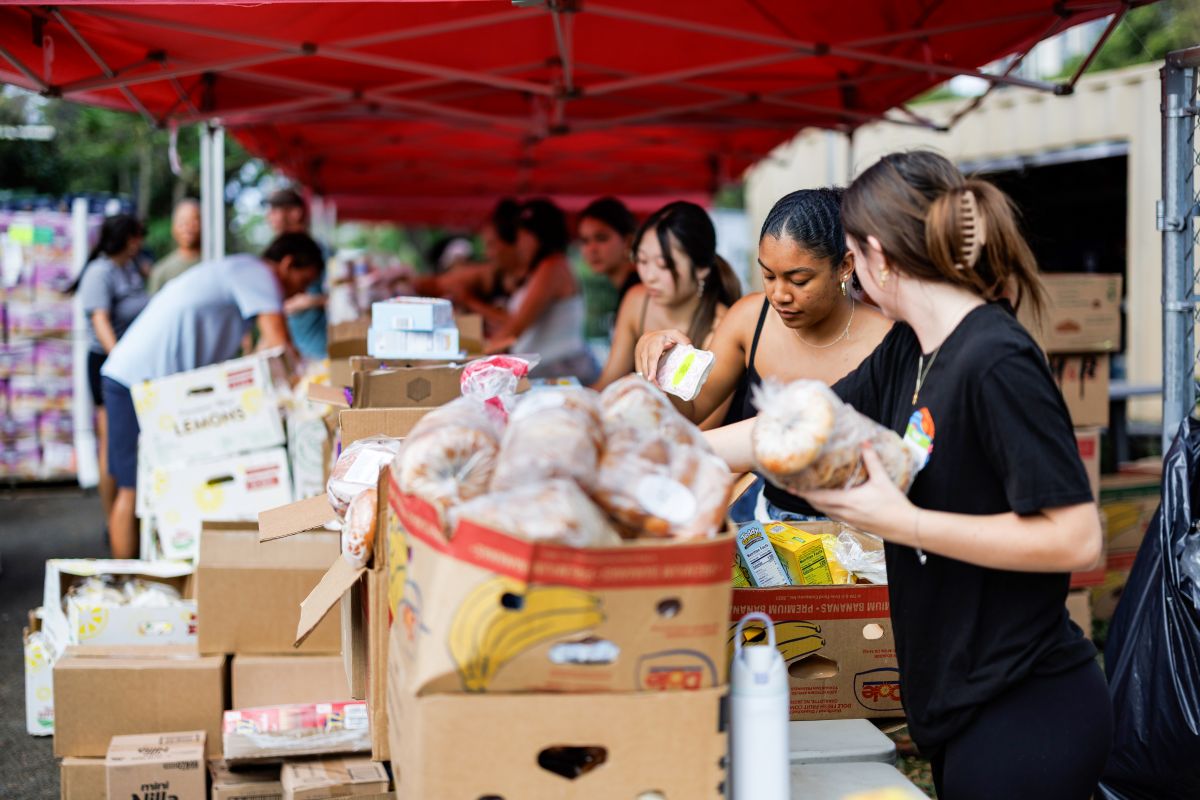
On Maui, an organization shared how inflation nearly doubled operating costs, forcing staff to redesign programs while trying to keep services accessible for families already struggling with the rising cost of living.
On the west side of Hawaiʻi Island, trained volunteers kept reef monitoring efforts going after two of three conservation field staff left within six months.
This is what resilience looks like in Hawaiʻi’s nonprofit sector. It is real and it is remarkable, but it is also unsustainable.
As Hawaiʻi Alliance of Nonprofit Organizations (HANO) developed the report, The View From Here: Insights from Hawaiʻi’s Nonprofits, we combined statewide nonprofit data, national survey findings, a federal funding analysis, and conversations with more than 100 nonprofit leaders across the islands. Together, they paint a picture of a sector that is essential to Hawaiʻi’s wellbeing, deeply rooted in community, and under growing strain.
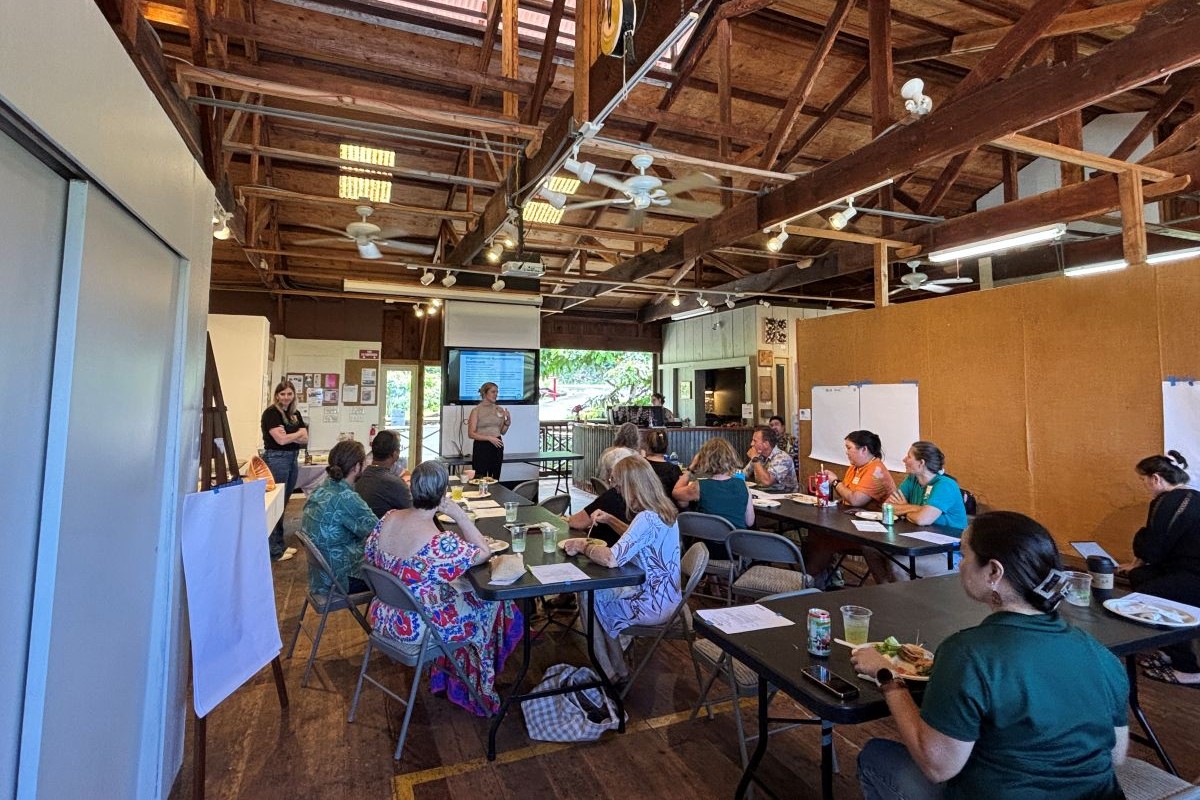
Most people don’t think of nonprofits as infrastructure. But they are.
Hawaiʻi’s nonprofit sector generates $45.4 billion in economic output and employs more than one in ten workers statewide. Yet the true measure of its impact cannot be captured by economic data alone. Nonprofits provide housing, healthcare, education, environmental stewardship, arts and culture, disaster response, food security, and countless other services that strengthen our communities every day.
When a local organization loses staff, closes a program, or struggles to keep its doors open, the impact is felt far beyond the organization itself. Families lose support. Communities lose resources. Problems that were once addressed locally become larger and harder to solve.
The report identified two challenges that consistently surfaced across both the data and our conversations with nonprofit leaders: funding instability and workforce pressures.
Nearly three-quarters of Hawaiʻi nonprofits struggle to raise unrestricted funding. More than half experience delayed government payments, and most receive indirect cost reimbursement rates that fail to cover the true cost of delivering services and programs.
At the same time, only 27% of Hawaiʻi nonprofits report being able to pay all full-time staff a living wage, compared to 42% nationally. Organizations report difficulty recruiting and retaining their workforce as housing and living costs continue to rise. As demand for services grows, many nonprofits are being asked to do more with fewer resources and fewer people.
These challenges are especially complex because Hawaiʻi’s nonprofit sector is deeply rooted in place. Sixty-six percent of Hawaiʻi nonprofits operate on budgets under $1 million, compared to 45% nationally, and 95% serve rural communities. Many operate in small towns and neighbor islands where relationships, trust, and cultural knowledge are essential to effective service.
This is not a story about organizations managing their finances poorly. It is a story about systems that have relied for too long on underpaid staff, organizational sacrifice, and community goodwill to fill the gap between what services cost and what funders are willing to support.
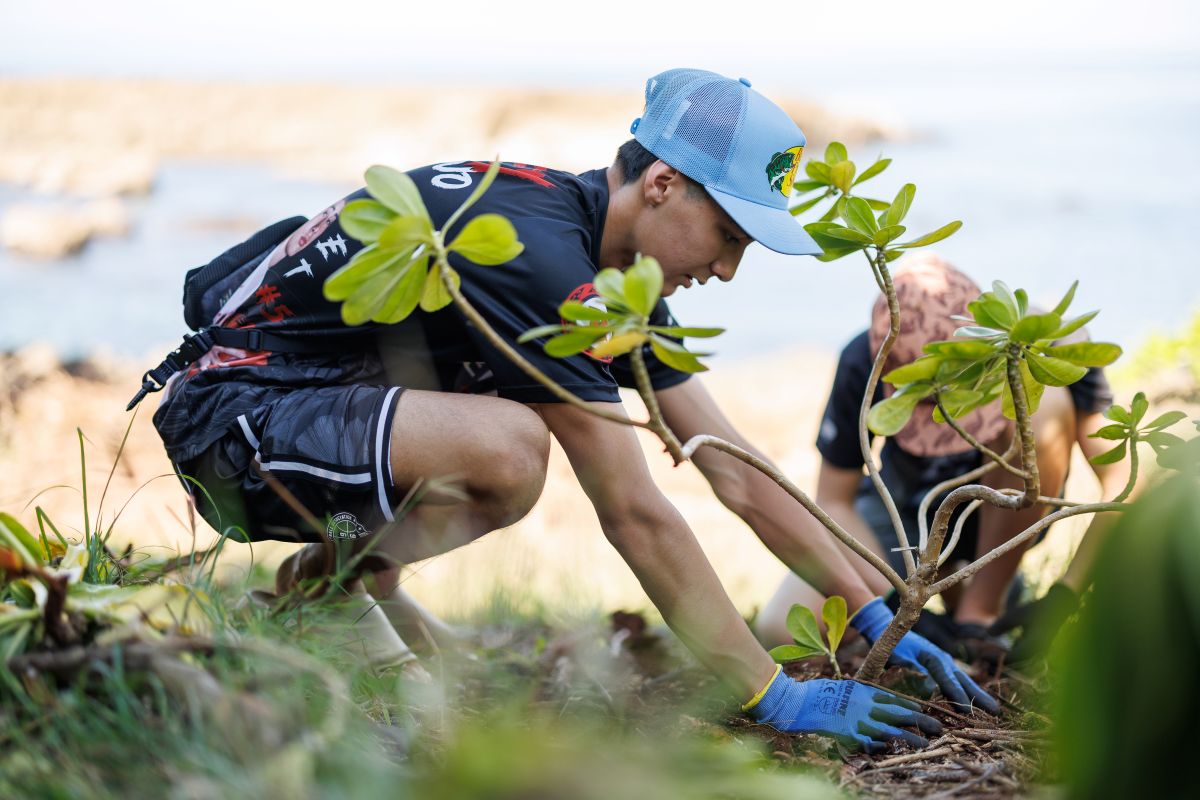
The good news is that the report does not stop at identifying challenges. It also points toward a roadmap for strengthening Hawaiʻi’s nonprofit sector—and, in turn, strengthening the communities that depend on it.
First, we need to recognize nonprofits as essential infrastructure. Nonprofits are often among the first to respond during crises and the last to leave during recovery. They provide critical services, build connections, steward natural and cultural resources, and help local communities. Yet they are too often treated as an afterthought in public planning and policy conversations. If nonprofits are essential to Hawaiʻi’s wellbeing, they should be included as partners in shaping its future.
Second, we must address growing service demand and capacity gaps. Across the state, nonprofits are seeing increased demand for housing assistance, food security programs, health services, environmental stewardship, and other needs. At the same time, most organizations are operating with limited staff and resources. Investments in shared services, technology, training, and organizational development can help nonprofits expand their reach and effectiveness.
Third, we need funding systems that reflect the true cost of providing services. Too often, nonprofits are asked to do more than grants actually pay for, leaving organizations to fill the gap however they can. Multi-year, flexible funding, fair reimbursement for operating costs, and simpler reporting requirements would allow nonprofits to spend less time chasing dollars and more time serving their communities.
Fourth, we need workforce strategies that are place-based. The challenges facing nonprofits on O‘ahu are different from those on Moloka‘i. Housing affordability, labor markets, transportation barriers, and workforce pipelines vary across the islands. Effective solutions must reflect those realities while supporting leadership development, succession planning, and career pathways for nonprofit professionals.
Fifth, we should continue investing in collaboration and collective action. Strong partnerships between nonprofits, government, philanthropy, businesses, and community leaders help create solutions that no single organization can achieve alone. Building networks across sectors can reduce duplication, increase impact, and strengthen our ability to respond to emerging challenges.
And finally, we must continue investing in community-led solutions rooted in the people and places that make Hawaiʻi unique. Many of our nonprofits are led by women, Native Hawaiians, and other leaders of color who bring lived experience, cultural knowledge, and trusted relationships to their work. Supporting Native Hawaiian, rural, grassroots, and BIPOC-led organizations is not simply about representation—it is about ensuring that the people closest to community challenges have the resources and influence to help drive solutions.
The challenges outlined in this report are not new. Nonprofit leaders have been talking about workforce shortages, funding constraints, and growing demand for years. What makes this moment different is that we now have a clearer understanding of both the scale of the challenges and the opportunities to address them.
We have also seen what is possible when policymakers, philanthropy, and nonprofits work together to respond to emerging challenges. In 2025, as federal funding uncertainty threatened critical community services, the Hawai‘i state legislature appropriated $50 million in emergency grant-in-aid funding for nonprofits through Act 310. The investment recognized that when nonprofit services are disrupted, communities feel the consequences. It also demonstrated that the government can act quickly and collaboratively when it understands the essential role nonprofits play in Hawaiʻi’s wellbeing.
The view from here is one of strain, but also possibility. Hawaiʻi’s nonprofits have shown up through wildfires, storms, pandemics, economic uncertainty, and rising community needs because that is what they do. If we want that work to continue—and if we want our communities to thrive—we must move beyond celebrating nonprofit resilience and begin investing in nonprofit sustainability.
This report provides a roadmap. The question now is whether we are willing to follow it.