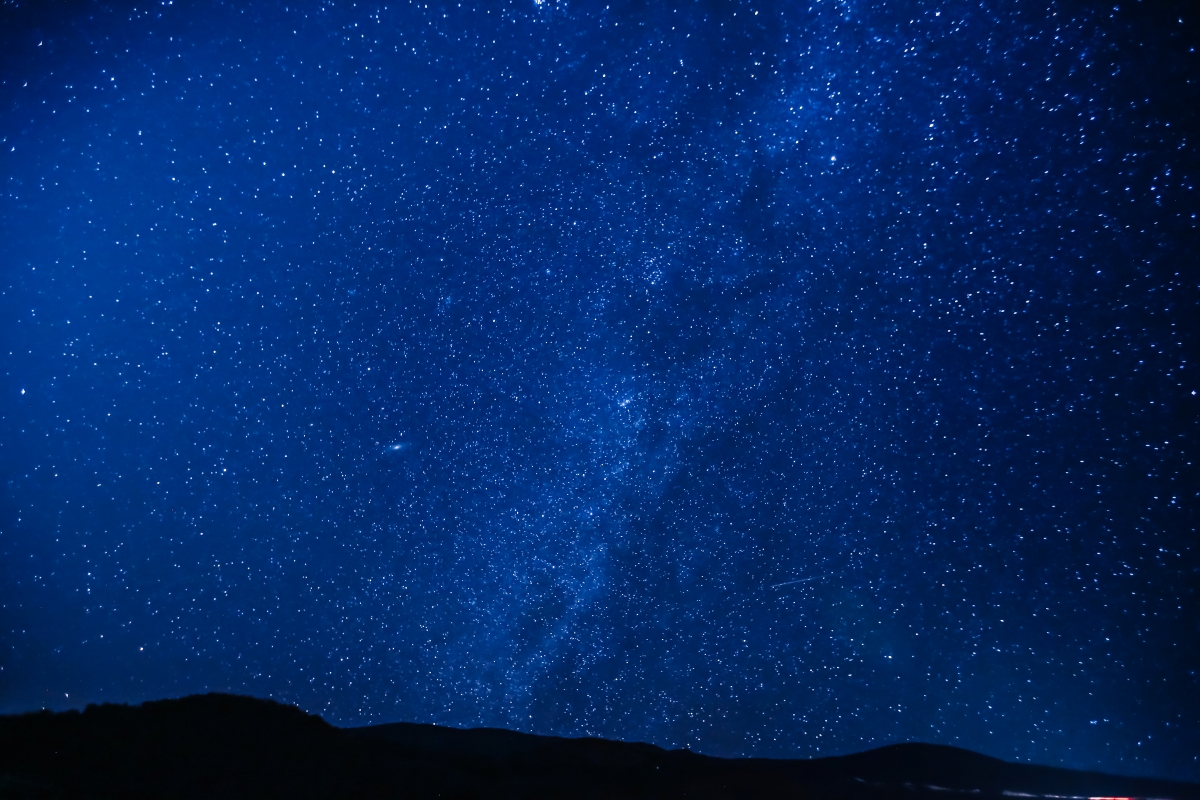
There is a place in Hawaiʻi where you step outside your front door, and the universe meets you halfway. At the highest residential point in the Hawaiian Islands, the night sky opens wide with stars, planets, and galaxies visible without effort, without filters, without apology. From here, the land rolls outward in every direction, offering expansive views from Kawaihae to beyond Pu‘u Wa‘awa‘a. Breathtaking panoramas of all four sacred mountain ranges Hualālai, Mauna Kea, Mauna Loa, and Kohala. On the clearest days, even Haleakalā rises in the distance, a reminder that these islands are bound together by more than water.
This is a place once reserved only for the divine, where kahu, the spiritual guardians, lived and communed with Hawaiian deities. A realm of prayer, protocol, and balance. Today, it is home to a living community where families, children and elders wake each day surrounded by sacredness and burdened by its defense.
In the late 1800s, this region became a working upland camp, helping sustain Hawaiʻi through the cultivation of alfalfa, sweet potatoes, and grain. These cooler elevations proved ideal for agriculture, supporting both people and animals. The roots of that system reach back to the time of Kamehameha I, when livestock was introduced to the islands, which required new forms of care and land use. Over time, this area flourished into what is now known as paniolo country, where ranching became not just an economy, but a way of life tied closely to the rhythms of the land.
Long before fences, camps, or livestock, more than 150,000+ years ago, Mauna Kea itself was shaped by ice. According to geologists, the mountain was once capped by glaciers, whose slow movement carved the summit and stored freshwater high above the island. As those ancient ice fields melted, they fed deep underground aquifers that continue to sustain Hawaiʻi Island today. Much of that water still moves unseen beneath our feet, emerging miles away as springs, wells, and drinking water. The mountains have always given life this way quietly and patiently, even as they are pushed closer to their limits.

Mauna Kea has become the epicenter of some of the most painful and disturbing conflicts in modern Hawaiian history. The protests against the construction of a 30-meter telescope, the size of 4 football fields, were not acts of defiance; they were acts of protection. Federal and state entities partnered to enforce a heavy, intimidating presence on sacred ground, dismissing the voices of the people whose ancestors are buried there, whose chants still echo in the stone.
Wākea is the male god of the sky, reflected in Mauna a Wākea (the mountain of Wākea), while Papa is the Earth mother. For Hawaiians, Mauna Kea is therefore not empty land, but a sacred embodiment of this union, a revered ancestor whose desecration cuts deeply. Only within the last century, less than 100 years, have Hawaiians begun reclaiming their voices after generations of displacement, silence, and erasure. Hawaiians were kicked off their lands, pushed aside in their own homeland, while the illegal overthrow of Queen Liliʻuokalani allowed a colonial system rooted in greed, extraction, and profit to take hold.
My children have felt the bombs.
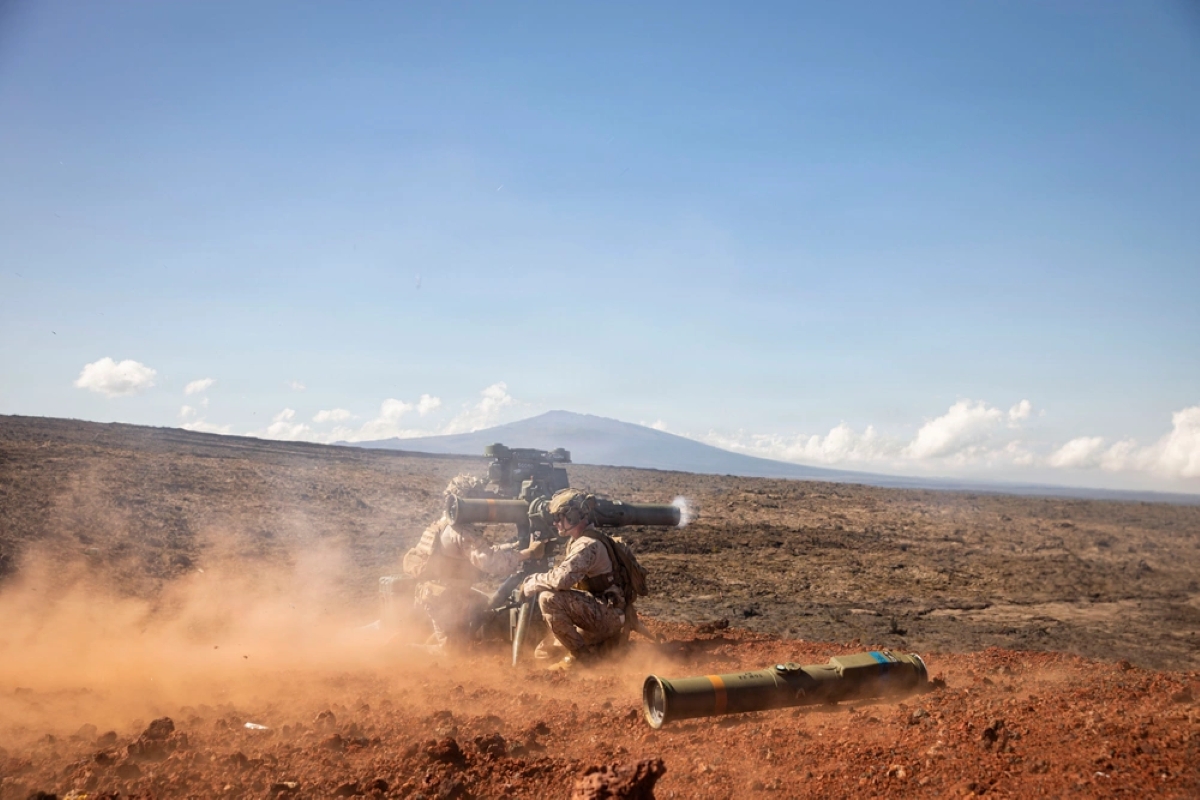
3rd LCT fires heavy weapons at Pohakuloa Training Area in January. | Cpl. Iyer Ramakrishna, U.S. 3rd Marine Division / DVIDS
At night, explosions shake our home, turning bedtime into terror. Helicopters fly low, rattling windows and nerves. Explaining this to my six-year-old, watching their eyes search mine for reassurance, honestly broke me. The anxiety lingers long after the noise fades.
What most people don’t see is what happens beyond the blast zones. When bombs go off, hundreds of mouflon sheep, goats, horses, cows, and pigs flee in panic, racing across highways and roadways, putting pedestrians and drivers in danger. The explosions ignite fires, and in the high winds that whip from the Hilo to Hāmākua region, those fires become unpredictable and uncontrollable.
On television, they are reduced to brief voiceovers of minor incidents, quickly forgotten. On the ground, entire ʻōhiʻa lehua forests burn. These trees, some hundreds of years old, are rare, sacred, and irreplaceable. Due to unexploded ordinance, the military allows these priceless groves to burn rather than take responsibility for cleanup and revegetate what was destroyed.
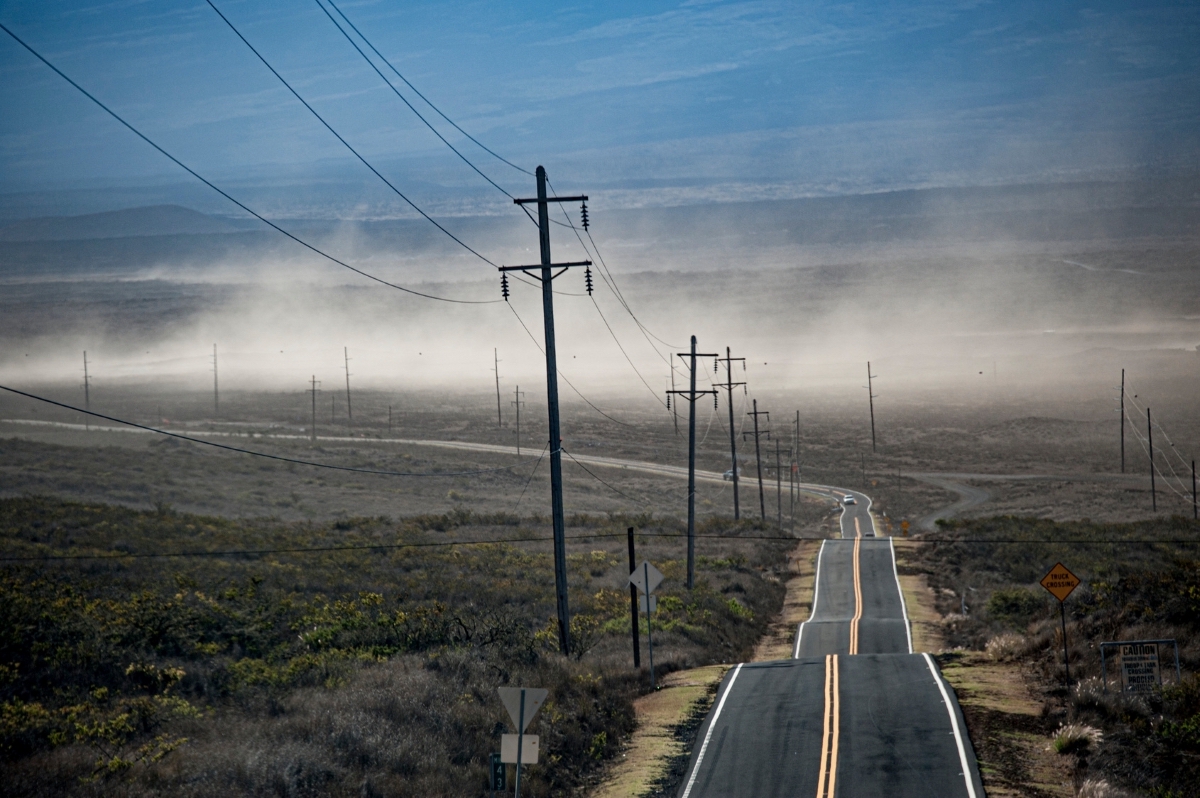
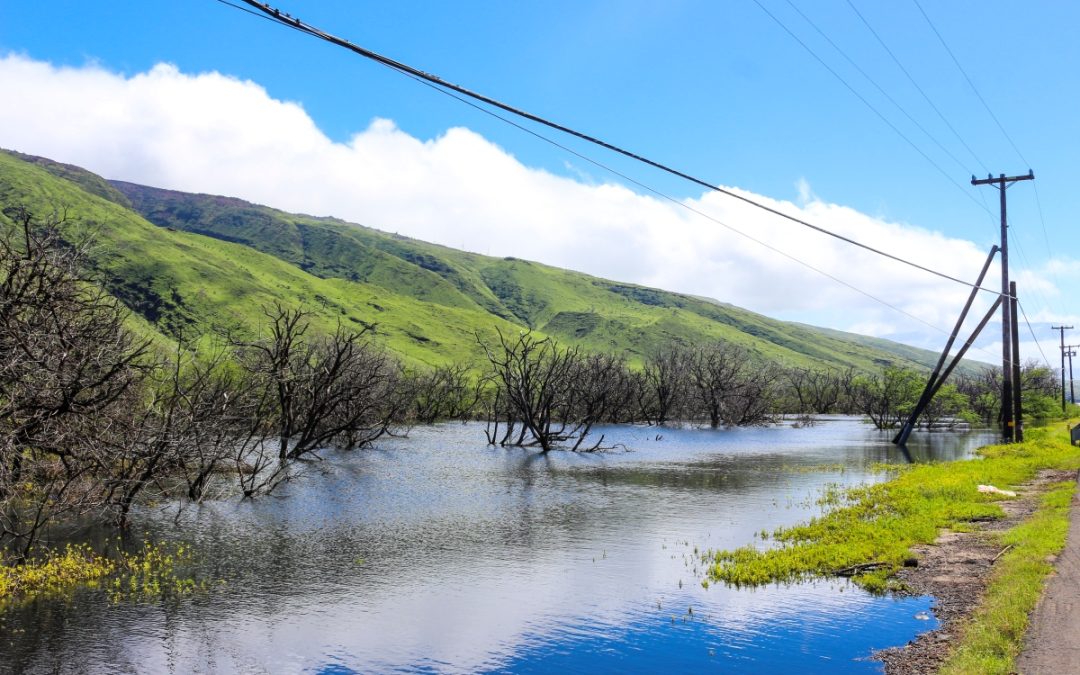
Saddle Road going toward the Pōhakuloa area.

Saddle Road going away from the Pōhakuloa area.
From Kahoʻolawe to Red Hill, the pattern is the same. The military has never fully cleaned up its mess, nor will take responsibility for its mistakes. Leases from the State of Hawaiʻi spanning 23,000 acres for 65 years were leased for $1 dollar in 1964 and will be left behind in 2029 with contaminated soil, polluted aquifers, and dangerously high levels of toxic chemicals, including uranium. Where I live, annual water testing continues to reveal elevated uranium levels, a direct result of neglect and a lack of integrity toward the people and the land.
Now, as military leases approach expiration, the question is no longer abstract for those of us who live here. It shows up in our water tests, in the land left burned and uncleared, in the unanswered responsibility for the damage already done. Yet, the same entities responsible for these impacts are asking for renewal before restoring what they have destroyed, before opening their records, before standing in accountability with the people who live on this land.
For residents, this moment feels like a choice point. Do we continue absorbing the harm, or do we insist that care come before continuation?
In our community, the answer has always been clear: what is good for Hawaiians is good for all of Hawaiʻi. Clean water does not belong to one group. Safe land does not serve only one people. Stewardship is not a cultural preference; it is a public necessity.
Moving forward means shifting how decisions are made. It means restoration before renewal. Transparency before trust. Listening to those who live with the consequences every day, not just those who benefit from access. The ʻāina gives life, and when it is poisoned, so are we. Protecting it is not radical; it is the most practical choice we have.
Hawaiʻi can move forward. The real question is whether we choose a future shaped by accountability and care, or one that asks the land and the people to keep enduring what they should never have to.
Living at the summit teaches you that the land remembers not just for us, but for our children. Listening today is how we decide whether they inherit healing, or are left to carry the cost of our silence.